
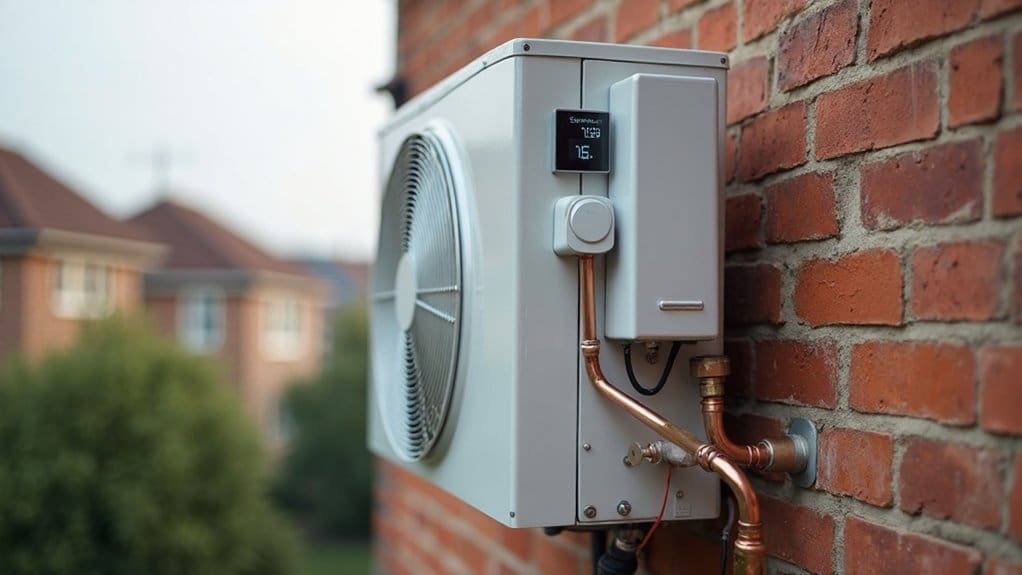
You can reduce your electric bill by 20-30% through targeted AC repairs and maintenance. Replace clogged air filters every 1-3 months to prevent 15% energy increases, seal ductwork gaps with mastic sealant, and schedule professional refrigerant level optimization for immediate 10-15% cooling cost savings. Install a programmable thermostat to automate temperature adjustments during unoccupied periods. These diagnostic solutions address the root causes of energy waste while maximizing your system’s operational efficiency and long-term performance capabilities.
Key Takeaways
- Replace air filters every 1-3 months to prevent up to 15% increases in energy consumption and maintain optimal airflow.
- Seal ductwork gaps with mastic sealant or metal tape to reduce energy bills by 20-30% through improved air delivery.
- Install programmable thermostats that automatically adjust temperatures during unoccupied periods, cutting cooling costs by up to 10% annually.
- Schedule professional refrigerant level checks to restore 10-15% energy savings and prevent efficiency losses up to 20%.
- Seal air leaks around windows, doors, and ducts while keeping vents unobstructed to eliminate unnecessary energy waste.
Essential AC Maintenance Tasks That Boost Energy Efficiency
Your AC system’s efficiency depends on consistent maintenance that targets specific mechanical functions and operational parameters. Replace air filters every 30-90 days to prevent 15% increases in energy use caused by restricted airflow. This simple task directly impacts your cooling costs and overall energy efficiency.
Schedule annual professional maintenance with an HVAC technician to optimize your air conditioning system’s performance. These inspections identify worn components, refrigerant levels, and calibration issues that compromise energy savings.
Verify all vents and registers remain unobstructed to maintain proper airflow distribution throughout your system. Clear any furniture, drapes, or debris blocking these openings.
Seal air leaks around windows, doors, and ductwork using weatherstripping or caulk to eliminate energy losses. These gaps force your system to work harder, increasing energy use unnecessarily.
Install a programmable thermostat to automate temperature adjustments and reduce runtime during unoccupied periods, maximizing your system’s energy efficiency while minimizing operational costs.
Smart Thermostat Upgrades for Maximum Cooling Savings
Smart thermostats deliver precise temperature control through advanced sensors and learning algorithms that automatically optimize your AC system’s operational cycles. These WiFi-enabled devices provide real-time energy consumption data, enabling you to monitor and adjust cooling performance remotely through mobile applications.
Programmable features automatically elevate temperatures during unoccupied periods, reducing cooling costs by up to 10% annually. Occupancy sensing technology detects when spaces are empty and adjusts cooling accordingly, eliminating energy waste from unnecessary runtime.
Automation functions integrate seamlessly with existing home automation systems, creating thorough climate control networks. Advanced algorithms analyze your household routines and proactively modify temperature settings to maintain comfort while minimizing energy consumption.
The diagnostic capabilities of your smart thermostat reveal usage patterns and system inefficiencies that traditional thermostats can’t detect. This data-driven approach allows you to identify peak consumption periods and adjust cooling schedules for maximum efficiency without compromising indoor comfort levels.
Air Filter Replacement and Cleaning Best Practices
While advanced thermostat technology optimizes your cooling schedules, clogged air filters can undermine these efficiency gains by forcing your AC system to work excessively harder.
Dirty filters restrict airflow through your system, increasing energy consumption by up to 15% as your unit struggles to maintain desired temperatures. You’ll need filter replacement every 1-3 months for disposable units, while permanent filters require monthly cleaning to maintain best performance.
High-efficiency pleated air filters capture more contaminants than standard options, simultaneously improving indoor air quality while reducing electricity usage. These filters enable your system to operate efficiently by maintaining proper airflow ratios.
Check your current filter’s condition by examining light penetration—if minimal light passes through, immediate replacement is necessary. Clean permanent filters using mild soap and water, ensuring complete drying before reinstallation. This preventive maintenance allows your AC system to achieve maximum energy-efficient operation while greatly lowering monthly electric bills.
Ductwork Repairs That Eliminate Energy Waste
Beyond filter maintenance, damaged or poorly sealed ductwork represents one of the most significant sources of energy loss in residential cooling systems. You’re wasting energy when air escapes through gaps, holes, or disconnected joints in your ductwork before reaching intended spaces.
Start by inspecting accessible ductwork sections for visible damage, loose connections, and deteriorated sealing tape. Use mastic sealant or metal-backed tape to secure gaps exceeding 1/8 inch. Replace damaged flexible ducts that show kinks, tears, or compression.
Professional duct sealing using aeroseal technology can address inaccessible leaks by injecting polymer particles that automatically seal holes from inside. This process typically reduces energy bills by 20-30% while helping your HVAC system run efficiently.
Properly sealed ductwork guarantees energy-efficient air conditioners deliver maximum cooling capacity to living areas rather than conditioning crawl spaces or attics. These repairs create lower utility bills by reducing energy consumption and help you save money through improved system performance.
Refrigerant Level Optimization for Peak Performance
Since refrigerant serves as your air conditioner’s lifeblood, maintaining precise charge levels directly impacts both cooling performance and energy consumption. Even minor deviations—whether undercharge or overcharge—can slash your system’s energy efficiency by up to 20%, driving your electricity bills higher.
Professional HVAC technicians use specialized gauges to measure and adjust refrigerant levels with surgical precision. This ideal delivery delivers immediate energy savings of 10-15% on cooling costs while boosting your SEER rating by 1-2 points. You’ll notice the difference in your monthly statements.
Technicians also diagnose refrigerant leaks that force your AC system performance to deteriorate. These leaks make your unit work overtime, wasting electricity as it struggles to maintain temperatures. Sealing these leaks restores peak efficiency instantly.
Schedule refrigerant level checks during routine maintenance to maximize energy efficiency. This proactive approach prevents energy waste and keeps your system operating at ideal capacity year-round.
Component Upgrades That Reduce Electricity Consumption
Optimizing refrigerant levels represents just one pathway to enhanced efficiency—strategic component upgrades deliver even more substantial reductions in electricity consumption. Your air conditioning system’s energy efficient performance hinges on three critical upgrade opportunities that directly impact your electricity bills.
High-Impact HVAC Component Upgrades:
- Compressor modernization – Installing a high-efficiency compressor increases your cooling system’s SEER rating by up to 2 points, reducing costs by 10-15% while eliminating frequent refrigerant issues.
- Variable-speed motor installation – Upgrading from single-speed to variable-speed fan motors cuts electricity usage by 30-50% through intelligent airflow adjustment based on real-time demand.
- Smart home thermostat integration – Replacing outdated thermostats with programmable, smart home-compatible models enables automated temperature optimization, delivering up to 10% annual savings.
Additionally, upgrading your ductwork with properly sealed, insulated components eliminates distribution losses, improving overall system efficiency by 15-20%. These targeted upgrades transform your HVAC system into a precision-engineered, cost-effective cooling solution.
Professional Tune-Ups Vs DIY Maintenance for Cost Savings
Two distinct maintenance approaches determine how effectively you’ll maximize your AC system’s energy efficiency and cost savings potential.
Professional tune-ups deliver extensive system optimization through qualified technician diagnostics. They’ll verify refrigerant levels, clean internal components, and calibrate controls for peak performance. This approach can boost your AC’s efficient operation by up to 30% while extending equipment lifespan. The service typically pays for itself within twelve months through reduced energy consumption.
DIY maintenance focuses on accessible tasks you can perform safely. Regular filter replacements alone provide 5-10% energy savings on your cooling costs. You’ll also benefit from cleaning condenser coils, removing outdoor unit debris, and ensuring unobstructed airflow paths.
However, attempting complex repairs without proper training risks voiding warranties and causing expensive damage. Combine both approaches strategically: handle routine DIY tasks monthly while scheduling annual professional tune-ups. This dual strategy maximizes cost savings while maintaining system reliability and efficient performance.
Conclusion
You might think these repairs require significant upfront investment, but they’ll reduce your monthly electric bills by 15-30% within the first year. Start with basic maintenance tasks you can handle yourself: replace filters monthly, clean coils quarterly, and seal visible duct leaks. For complex issues like refrigerant optimization and electrical component upgrades, schedule professional diagnostics. Each repair directly targets energy waste points, delivering measurable cost reductions that’ll offset repair expenses quickly.