
As you age, your furnace needs specialized attention because older adults experience altered temperature perception due to decreased circulation and slower metabolism. You’ll want to change air filters regularly, schedule professional inspections, and keep the furnace area clear of obstructions. Consider difficulty adjusting controls due to arthritis and monitor for signs of malfunction that could affect your respiratory health. Financial assistance programs and utility rebates can help make necessary maintenance more affordable for your specific situation.
Key Takeaways
- Schedule annual professional furnace inspections to ensure safe operation and identify potential issues before winter.
- Change air filters every 1-3 months to maintain proper airflow and reduce strain on aging HVAC systems.
- Keep furnace areas clear of clutter and obstructions to prevent fire hazards and ensure proper ventilation.
- Monitor for signs of malfunction like unusual noises, inconsistent heating, or increased energy bills requiring immediate attention.
- Consider upgrading to programmable thermostats with large displays for easier temperature control despite arthritis or vision changes.
Understanding the Unique HVAC Needs of Seniors
As our loved ones age, their bodies undergo significant changes that directly impact how they experience and regulate temperature. You’ll notice that seniors often feel colder than younger adults due to decreased circulation and slower metabolism. This altered temperature perception means your heating system needs careful calibration to maintain their comfort and safety.
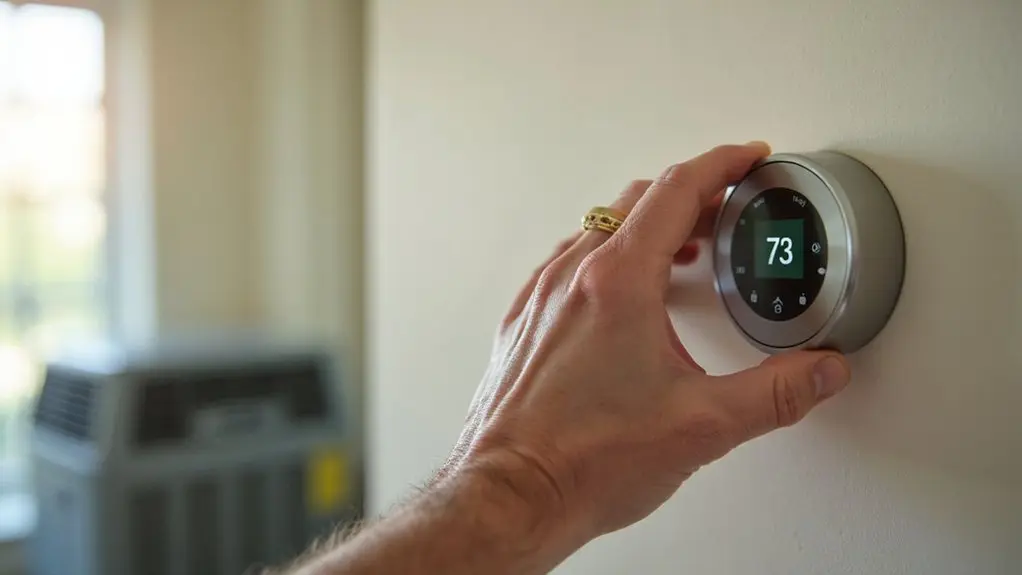
Arthritis and joint stiffness can make it difficult for elderly family members to adjust controls, so installing a programmable thermostat at an accessible height becomes crucial. You should also consider that many medications affect how seniors respond to temperature changes, potentially making them more sensitive to fluctuations in their living environment.
Respiratory issues, common among older adults, require stable heating and cooling to prevent complications. Dusty or poorly maintained systems can trigger breathing problems. By understanding these unique needs, you can guarantee your senior loved ones enjoy ideal comfort while reducing health risks through proper HVAC maintenance and thoughtful system adjustments.
Signs Your Furnace Needs Extra Care
Now that you understand how seniors experience temperature differently, you’ll want to watch for warning signs that indicate your furnace isn’t performing at its best. Rising energy bills often signal reduced HVAC efficiency, meaning your furnace works harder to sustain comfortable temperatures. You’ll notice your home takes longer to heat up or certain rooms remain consistently cold due to uneven air distribution.
Strange noises like banging, rattling, or squealing from your furnace indicate mechanical issues requiring immediate maintenance attention. If your system cycles on and off frequently, it’s struggling to preserve proper temperature control.
Don’t ignore these warning signs – they compromise both comfort and safety. Schedule professional HVAC maintenance when you notice these issues. Additionally, replace air filters regularly and certify your carbon monoxide detectors function properly. These preventive measures protect your health while maintaining ideal furnace performance throughout winter months.
Essential Safety Checks for Older Furnaces
Older furnaces require more rigorous safety monitoring than newer models, as aging components can develop dangerous malfunctions without obvious warning signs. Safety is paramount when dealing with aging heating systems, so you’ll need to prioritize thorough HVAC maintenance checks.
Start by scheduling annual professional inspections to examine your heat exchanger for cracks that could allow dangerous gas leak situations. Install and regularly test carbon monoxide detectors throughout your home, as they’re your first defense against invisible threats. Check your pilot light regularly—it should burn blue, not yellow or orange, which indicates improper combustion.
Replace dirty air filters monthly during heating season to prevent overheating that could create fire hazards. Don’t skip winterization services that include extensive cleaning and safety verification of all components. Proper furnace maintenance isn’t just about efficiency—it’s about protecting your family from potentially fatal carbon monoxide exposure and other heating-related dangers.
Routine Maintenance Tips for Aging Heating Systems
Beyond these critical safety measures, you can extend your aging furnace’s lifespan and maintain its performance through consistent routine maintenance. These simple steps keep your Heating, Air Conditioning (HVAC) systems running efficiently while improving indoor air quality.
- Replace air filters regularly – Change your air filter every 1-3 months to improve airflow and system efficiency. Clogged filters force your furnace to work harder, increasing energy costs.
- Keep vents and registers clear – Remove furniture, curtains, and debris from around heating vents. Blocked air passages reduce heat distribution and strain your system unnecessarily.
- Schedule professional tune-ups annually – Have an HVAC technician inspect your system each fall. They’ll catch minor issues before they become expensive repairs and guarantee peak performance throughout winter months.
Additionally, clean around your furnace area and verify your thermostat’s accuracy for maximum efficiency.
Optimal Temperature Settings and Thermostat Management
While proper maintenance keeps your furnace running smoothly, managing your thermostat settings effectively guarantees you’ll stay comfortable without overspending on energy bills. You’ll want to maintain a comfortable temperature between 68-72 degrees Fahrenheit, which provides ideal comfort while keeping your system running efficiently.
Consider investing in a programmable thermostat that automatically adjusts temperatures based on your daily routine. This technology helps you save money by reducing energy consumption when you’re sleeping or away from home. Make sure family members understand the settings to avoid constant manual adjustments that waste energy.
Consistent temperature control creates a more pleasant living environment and helps regulate indoor humidity levels. Remember that your air filter plays a pivotal role in thermostat efficiency—a clogged filter forces your system to work harder. By combining proper thermostat management with regular maintenance, you’ll enjoy reliable comfort while minimizing energy costs throughout the heating season.
When to Call Professional HVAC Services
How can you tell when your furnace needs professional attention rather than simple DIY maintenance? Several warning signs indicate it’s time to schedule furnace maintenance with experienced HVAC professionals who service both heating systems and air conditioners.
Watch for these critical indicators:
- Strange noises or temperature struggles – If your furnace makes unusual sounds or can’t maintain consistent warmth throughout your home
- Rising energy bills – Unexpected increases in utility costs often signal efficiency problems that require professional diagnosis
- Safety concerns – Any suspected gas leaks or carbon monoxide issues demand immediate professional intervention
Regular annual tune-ups help prevent major breakdowns and keep your system running efficiently. Before winter arrives, having technicians inspect your older furnace helps prevent costly emergency repairs during peak demand. They’ll also check vents and registers, ensuring proper airflow. Don’t wait for problems to worsen—contact us or your trusted HVAC contractor for preventive maintenance that protects your investment.
Financial Assistance Programs for HVAC Maintenance
Although furnace maintenance costs can strain fixed incomes, numerous financial assistance programs help seniors afford essential HVAC services. The Low-Income Home Energy Assistance Program (LIHEAP) offers federal funding to help alleviate energy costs and covers HVAC maintenance for eligible seniors. This assistance keeps your system in top shape while maintaining a healthy indoor environment.
Local utility companies provide additional support through rebate programs and emergency repair funds. Community development block grants and nonprofit organizations also address seniors’ HVAC needs through specialized assistance programs.
Contact your Area Agency on Aging immediately to discover available programs in your region. Don’t leave your home’s comfort to chance—these agencies connect you with resources that reduce energy bills and prevent costly emergency repairs.
Start applications early since income requirements and processes vary considerably. Social workers and case managers can guide you through paperwork and identify the most suitable financial assistance options for your situation.
Conclusion
Picture yourself wrapped in a cozy blanket as your well-maintained furnace hums quietly, painting your home with steady, gentle warmth throughout winter’s chill. You’ve taken control of your heating system’s health, ensuring it’ll faithfully serve you through countless cold nights ahead. With regular tune-ups, smart thermostat settings, and professional support when needed, you’re creating a sanctuary where comfort meets safety, transforming your house into a warm haven that embraces you.