
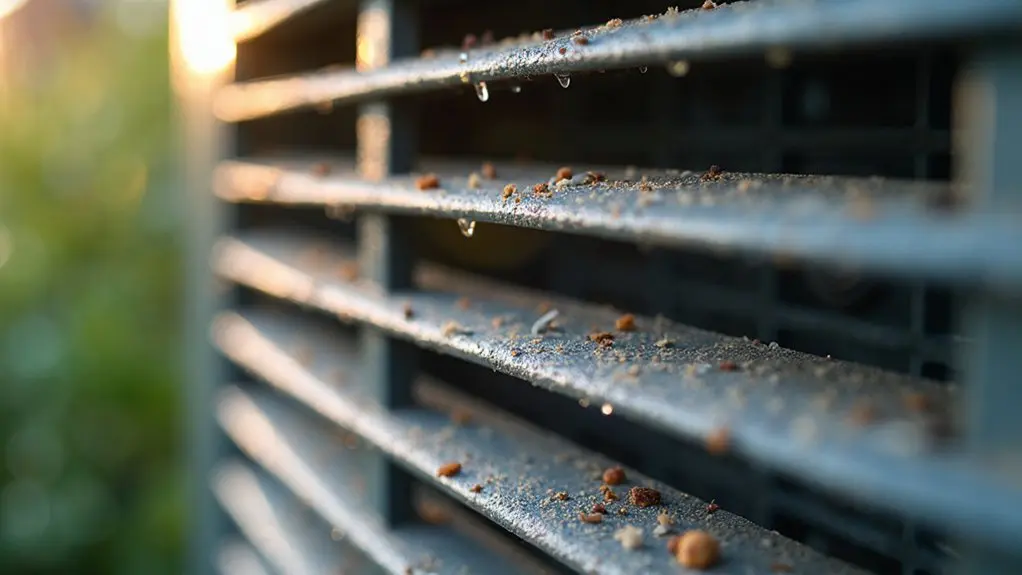
Your heat pump’s strange noises indicate specific mechanical failures requiring immediate diagnosis. Hissing or bubbling sounds signal refrigerant leaks, while grinding noises reveal deteriorating motor bearings. Squealing indicates worn belts, and banging suggests loose internal components. Buzzing points to electrical malfunctions, and gurgling reveals airflow restrictions. Each sound corresponds to distinct system problems that’ll worsen without intervention. Continuing operation risks catastrophic failure and expensive repairs. Understanding these diagnostic signals helps you identify when professional HVAC services become essential for preventing costly system replacements.
Key Takeaways
- Normal heat pumps produce consistent low humming or gentle whooshing sounds during proper operation.
- Hissing or bubbling noises indicate refrigerant leaks that compromise efficiency and require immediate professional repair.
- Grinding sounds signal motor bearing deterioration, while squealing indicates worn belts needing prompt replacement.
- Banging or clanking noises suggest loose internal components or debris that risk catastrophic system failure.
- Gurgling sounds indicate airflow restrictions from clogged filters, blocked vents, or ductwork obstructions.
Why Heat Pumps Make Normal vs. Abnormal Sounds
When your heat pump operates normally, you’ll hear a consistent low humming or gentle whooshing sound as the system circulates refrigerant and moves air through the unit. These sounds indicate your HVAC system’s moving parts are functioning correctly within design parameters.
However, strange noises like banging, screeching, rattling, or buzzing signal component malfunctions requiring immediate attention. These unusual noises often indicate worn bearings, loose hardware, refrigerant leaks, or motor problems. Ignoring these warning signs compromises your heat pump’s operational integrity and leads to cascading system failures.
The distinction between normal and abnormal sounds is critical for preventive maintenance strategies. While standard operational noises confirm proper function, aberrant sounds demand diagnostic intervention. Professionals can identify specific component issues before they escalate into costly system breakdowns. Regular routine maintenance allows technicians to detect early warning signs, ensuring ideal performance and preventing major repairs. Prompt response to unusual noises protects your investment and maintains energy efficiency.
Hissing or Bubbling Sounds From Your Heat Pump
Hissing or bubbling sounds emanating from your heat pump typically signal refrigerant leaks within the system’s closed-loop circulation network. These distinctive noises occur when refrigerant moves from high-pressure liquid to lower-pressure gas as it escapes the system.
A refrigerant leak compromises your heat pump’s efficiency, forcing it to work harder and increasing electricity usage. Beyond performance degradation, these leaks create safety hazards and environmental concerns that demand immediate attention from qualified HVAC professionals.
Ignoring hissing or bubbling sounds leads to progressive damage of internal components, escalating repair costs drastically. The refrigerant loss stresses compressors, coils, and other critical elements, potentially causing complete system failure.
HVAC professionals possess specialized diagnostic equipment to pinpoint leak locations accurately and execute proper repair procedures. They’ll safely evacuate remaining refrigerant, seal the leak, and recharge the system to manufacturer specifications. Don’t attempt DIY repairs—refrigerant handling requires professional certification and expertise.
Grinding Noises and Motor Bearing Problems
Grinding noises from your heat pump’s motor assembly indicate bearing deterioration that progresses from minor maintenance issues to complete system failures. When you hear low grinding sounds, your motor bearings likely have accumulated dirt buildup that requires immediate attention. This contamination reduces your heat pump’s efficiency and signals the need for annual maintenance procedures.
You’ll notice these noises intensify as bearing degradation advances. Excessive dirt creates friction that accelerates wear patterns, compromising your system’s performance capabilities. Regular maintenance prevents this deterioration by cleaning accumulated debris before it causes permanent damage.
Loud grinding indicates your motor bearing has reached the end of its operational lifespan. At this stage, you need an HVAC professional to perform complete replacement rather than cleaning. Delaying this repair risks total system failure, leaving you without heating or cooling functionality. Schedule professional assessment immediately when grinding noises occur to prevent costly equipment breakdowns.
Squealing or Screeching From Worn Belts
Although squealing and screeching noises share similar acoustic characteristics, they specifically indicate your heat pump’s motor belt has begun slipping due to wear deterioration. This motor component maintains essential operational synchronization between your heat pump’s internal mechanisms. When the belt deteriorates, friction increases greatly, creating those distinctive high-pitched noises you’re hearing.
A compromised motor belt accelerates wear patterns across connected components, reducing your heating system’s overall efficiency. Unlike loose parts that create intermittent sounds, worn belts produce consistent squealing during operation. This deterioration pattern signals imminent component failure if left unaddressed.
Pump functionality depends entirely on proper belt tension and condition. Making loud noises consistently indicates the belt requires immediate replacement. Professionals recommend swift intervention to prevent cascading failures throughout your heat pump system. Delaying repairs transforms a simple belt replacement into extensive motor rebuilds, substantially increasing repair costs while leaving you without reliable heating during critical periods.
Banging and Clanking From Loose Components
When your heat pump produces banging or clanking sounds, you’re hearing clear evidence of loose or broken internal components that require immediate attention. These disruptive noises typically originate from your outdoor unit’s motor assembly, where damaged fan blades create irregular impacts against the housing. Debris lodged within the system can also generate banging or clanking as it strikes rotating components during operation.
Your compressor may develop these sounds when internal parts become dislodged or when loose wiring creates vibrating noise against metal surfaces. A malfunctioning capacitor can cause motor irregularities that manifest as clanking sounds during startup or shutdown cycles.
Don’t ignore these warning signs – continuing operation risks catastrophic system failure and expensive repairs. The high-voltage electrical components and pressurized refrigerant lines make DIY attempts dangerous. Contact a licensed HVAC technician immediately for proper diagnosis and repair to prevent further damage to your heat pump’s critical components.
Rattling and Vibrating Heat Pump Issues
Rattling and vibrating sounds from your heat pump signal mounting or securement problems that you’ll need to address before they escalate into component damage. These noises typically originate from loose panels, screws, or an improperly secured unit foundation.
Start your diagnostic by examining the unit’s exterior for loose fasteners and tightening any you discover. Check for unsecured refrigerant lines that might be vibrating against the chassis or cabinet walls. Inspect the area around your heat pump for foreign objects that could be lodged against moving parts or the condenser unit.
If your heat pump lacks proper vibration dampening, installing rubber pads beneath the unit will considerably reduce transmitted vibrations. However, persistent rattling and vibrating after securing visible components indicates internal problems requiring professional attention.
Don’t ignore these warning signs—continued operation with loose components accelerates wear on critical parts. Contact an HVAC technician to perform a thorough inspection and implement proper securing methods before costly damage occurs.
Buzzing or Electrical Humming Concerns
Buzzing or electrical humming noises from your heat pump frequently indicate deteriorating electrical components that require immediate attention to prevent system failure. These sounds typically originate from faulty capacitors, contactors, or relays within your system’s electrical assembly. You’ll need to examine these components systematically to identify the source.
Misfiring thermostats can also generate persistent buzzing sounds, particularly during heating or cooling cycles. Check your electrical connections for corrosion or loose terminals, as these issues commonly produce humming noises. An overloaded startup process often creates similar electrical sounds when your system struggles to initiate operation.
These electrical malfunctions greatly reduce your heat pump’s efficiency and overall performance. Don’t attempt repairs yourself—electrical components pose serious safety risks. Professional HVAC technicians possess specialized diagnostic tools to accurately identify buzzing sources and implement appropriate solutions. Schedule immediate service when experiencing electrical humming to prevent costly system damage and restore ideal operation.
Gurgling and Whooshing Airflow Problems
While electrical humming signals component failures, gurgling and whooshing sounds from your heat pump indicate airflow restrictions or pressure imbalances that compromise system performance. These noises can indicate several potential issues within your system’s ventilation network.
When your heat pump struggles with restricted airflow, you’ll often hear hissing or bubbling sounds accompanied by reduced heating or cooling capacity. The primary culprits include clogged air filters, blocked return vents, or malfunctioning blower fans that can’t maintain proper pressure levels.
Noises coming from your ductwork suggest obstructions, leaks, or improper system sizing that prevents unrestricted airflow throughout your home. These airflow problems force your system to work harder, resulting in higher electricity usage and premature component wear.
Professional HVAC technicians can accurately diagnose whether gurgling sounds stem from filter blockages, ductwork issues, or pressure imbalances. They’ll restore ideal airflow patterns and eliminate the underlying restrictions causing these disruptive sounds.
When to Call Professional HVAC Services
How do you determine when heat pump noises require professional intervention rather than basic homeowner maintenance? Contact professionals immediately when you hear loud noises like grinding, screeching, or banging sounds. Take a closer look at your situation if rattling persists after cleaning debris or if gurgling continues despite checking refrigerant lines.
Routine heat pump maintenance by HVAC technicians prevents issues that lead to higher electricity costs and system failures. When your unit’s making unusual sounds beyond normal operational humming, underlying problems within your heat pump likely require specialized diagnostic equipment. Electrical issues, refrigerant leaks, and compressor problems demand professional expertise to keep your heat pump operating efficiently.
Strange noises often result from a malfunctioning component that homeowners can’t safely repair. Professional HVAC services possess the tools and knowledge to accurately diagnose complex problems, ensuring long-lasting repairs. Prompt professional intervention prevents minor issues from escalating into costly system replacements while maintaining ideal performance and quiet operation.
Conclusion
You’ll prevent catastrophic system failure by addressing abnormal heat pump acoustics immediately. Don’t ignore grinding, screeching, or electrical buzzing—these diagnostic indicators signal component degradation requiring professional intervention. While normal operational sounds like soft hissing are acceptable, persistent rattling, banging, or gurgling demand systematic troubleshooting. You can’t afford to delay when unusual noises emerge; they’re your heat pump’s distress signals. Schedule HVAC diagnostics promptly to restore ideal system performance and prevent costly repairs through proactive maintenance protocols.