
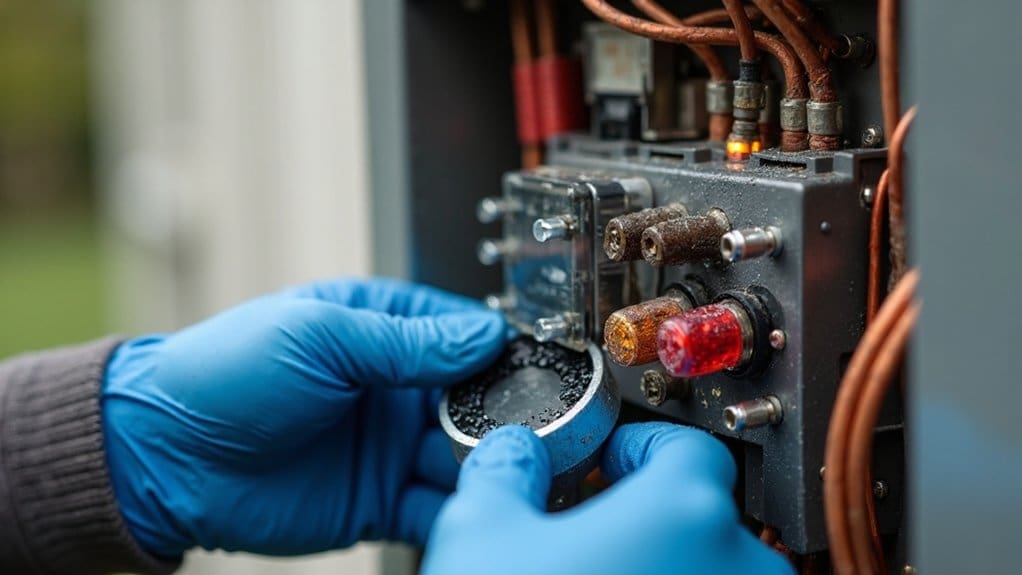
Your heat pump’s frequent cycling on and off every 10-15 minutes indicates short cycling, which drives up energy bills and strains components. Common causes include an oversized unit that heats or cools your space too quickly, a dirty air filter restricting airflow, refrigerant leaks disrupting system pressures, or thermostat malfunctions. You’ll need to check your air filter first, then examine sizing and refrigerant issues. This guide covers the complete troubleshooting process to restore proper operation.
Key Takeaways
- Heat pump short cycling occurs when the unit turns on and off every 10-15 minutes or more frequently than normal operation.
- Common causes include oversized units, dirty air filters, refrigerant leaks, and thermostat malfunctions disrupting proper system communication.
- Short cycling increases energy bills and strains components, potentially leading to expensive repairs and premature system failure.
- Start troubleshooting by checking and replacing dirty air filters, then verify thermostat settings and wiring connections.
- Contact HVAC professionals for refrigerant issues, electrical problems, or mechanical repairs beyond basic maintenance steps.
What Is Heat Pump Short Cycling?
Why does your heat pump keep turning on and off every few seconds? You’re experiencing heat pump short cycling, a frustrating problem where your system rapidly starts and stops instead of running normal cycles. This erratic behavior means your heat pump can’t maintain consistent temperatures or operate efficiently.
Short cycling damages your system’s performance in multiple ways. Your energy bills will spike because the unit consumes more power during these frequent startups than during steady operation. These cycling issues also strain your compressor and other critical components, forcing them to work harder than designed.
Compressor cycling shouldn’t happen every few seconds – normal heat pumps run for 10-15 minute cycles. When your system short cycles, it signals an underlying mechanical or electrical problem that demands immediate attention. Ignoring these symptoms leads to expensive repairs and premature system failure. Identifying what’s causing your heat pump’s erratic behavior is essential for restoring proper operation.
How to Identify If Your Heat Pump Is Short Cycling
Recognizing short cycling in your heat pump starts with paying attention to how often your system starts and stops throughout the day. You’ll know your heat pump is short cycling when it turns on and off every 10-15 minutes or even more frequently, rather than running for longer periods.
Normal heat pump cycles vary depending on your system type, outdoor temperature, and thermostat settings. However, if you notice your unit constantly starting and stopping in rapid succession—sometimes within just a few seconds—that’s a clear indicator of short cycling.
Listen for the familiar sounds of your heat pump starting up. If you’re hearing these startup sounds much more often than usual, your system likely has a problem. Check your air filter first, as a dirty filter can restrict airflow and cause short cycling. Most homeowners can easily spot this pattern by simply observing their system’s behavior over a few hours.
Wrong Unit Size for Your Home
One of the most common culprits behind heat pump short cycling is an oversized unit that’s simply too powerful for your home’s square footage. When your heat pump heats the space too quickly, it’ll shut off before completing a full cycle, then restart again shortly after when temperatures drop.
This happens because the unit size doesn’t match your home’s actual heating and cooling needs. An improperly sized heat pump creates an endless cycle of starting and stopping that wastes energy and increases wear on your system.
The solution requires ensuring your heat pump is properly sized for your specific space. You’ll need to calculate your home’s heat load based on factors like insulation, windows, and square footage. If your current unit is oversized, you may need to replace it with a smaller model that matches your home’s requirements. Professional sizing calculations will prevent future short cycling issues.
Dirty Air Filter Blocking Airflow
While an oversized unit causes mechanical issues, a dirty air filter creates a different but equally problematic scenario for your heat pump’s operation. When you neglect filter maintenance, you’re setting up your system for restricted airflow that forces rapid on-off cycling.
A clogged air filter blocks essential airflow through your heat pump, making it nearly impossible to maintain your desired temperature. Your system responds by short cycling – turning on and off repeatedly in frustration. This restricted airflow forces your compressor to work overtime, creating additional strain that can trigger protective shutdowns.
You’ll notice your heat pump struggling to heat or cool effectively while consuming more energy. The constant cycling puts excessive wear on components, particularly your compressor, which faces potential damage from overheating.
Replace your air filter regularly – typically every 1-3 months depending on usage. This simple maintenance step prevents short cycling, protects your equipment, and maintains energy efficiency.
Refrigerant Leaks and Charging Issues
Beyond filter maintenance, refrigerant problems create another common trigger for heat pump short cycling. When refrigerant leaks occur, your system can’t maintain proper pressures, forcing it to cycle on and off repeatedly as it struggles to reach temperature settings.
Both low and high refrigerant levels cause cycling issues. Leaks reduce system efficiency and disrupt normal operation, while overcharging interferes with the heat exchange process. Either scenario prevents your heat pump from running steady, continuous cycles.
You’ll need an HVAC technician to diagnose refrigerant problems accurately. They’ll locate and repair any leaks, then recharge your system with the manufacturer-specified refrigerant type and amount. Don’t attempt refrigerant work yourself—it requires specialized equipment and certification.
Addressing refrigerant leaks promptly prevents further damage to your heat pump’s components. Once properly charged and leak-free, your system should return to normal cycling patterns and efficient operation.
Thermostat Malfunctions and Wiring Problems
Your heat pump’s thermostat serves as the command center for cycling operations, and when it malfunctions, short cycling becomes inevitable. A faulty thermostat sends incorrect temperature signals to your system, causing it to turn on and off rapidly without reaching the desired temperature.
Wiring problems between your indoor and outdoor units can disrupt proper communication, leading to erratic cycling patterns. Loose connections, damaged wires, or improper installations create signal interference that confuses your heat pump’s control system.
Compatibility issues between your thermostat and heat pump model can trigger short cycling even when both components function individually. Older thermostats may not communicate effectively with newer heat pump systems, while mismatched voltage requirements cause operational conflicts.
You’ll need proper thermostat configuration following manufacturer guidelines to guarantee efficient performance. Don’t attempt complex wiring repairs yourself – consult an HVAC technician to diagnose and resolve thermostat-related issues. Professional diagnosis prevents further damage and secures lasting solutions.
When to Call a Professional HVAC Technician
When should you stop troubleshooting and contact an HVAC professional? You’ll need a professional HVAC technician for repairs involving refrigerant handling, electrical work, or mechanical components. These Heat Pump Issues require specialized training and tools that homeowners don’t typically possess.
Attempting DIY repairs can be dangerous and void your manufacturer’s warranty. HVAC professionals have the expertise to properly diagnose short cycling problems and implement appropriate solutions safely. They can inspect, test, and repair your HVAC system without risking damage or injury.
You should call a technician when you’ve exhausted basic troubleshooting steps like checking air filters, thermostat settings, and outdoor unit clearance. If your heat pump continues cycling frequently after these checks, the problem likely requires professional intervention.
Regular professional maintenance and tune-ups can prevent future short cycling issues while extending your system’s lifespan. Don’t risk costly damage by attempting complex repairs yourself.
Frequently Asked Questions
Why Does My Heat Pump Keep Cycling on and Off?
Your heat pump’s cycling issues stem from insufficient refrigerant charge, thermostat placement issues near heat sources, or improper airflow conditions from blocked vents. You’ll need to check refrigerant levels, relocate your thermostat, and guarantee adequate airflow.
How Do You Fix a Short Cycling Heat Pump?
You’ll fix short cycling by ensuring proper airflow through clean filters, checking thermostat calibration for accurate temperature readings, and having a technician verify correct refrigerant charge levels. Don’t attempt refrigerant repairs yourself.
Why Is My Heat Turning on and off Repeatedly?
You’ll find that oversized equipment theory holds true – your heat’s short cycling from thermostat settings being too sensitive, air filter blockage restricting airflow, or low refrigerant levels causing pressure imbalances that trigger frequent on-off cycles.
How to Reduce Heat Pump Cycling?
You’ll reduce cycling by making thermostat adjustments to guarantee frequent temperature changes, using energy efficient settings like programmable schedules, and performing regular ductwork maintenance to secure proper airflow throughout your home’s heating system.
Conclusion
You’ve now learned the main culprits behind heat pump short cycling, from sizing issues to dirty filters and refrigerant problems. Here’s a striking fact: short cycling can increase your energy bills by up to 30% while reducing your unit’s lifespan by half. Don’t let this costly problem persist. If you’ve checked the basics like filters and thermostat settings but cycling continues, it’s time to call a professional. They’ll diagnose complex issues and restore your system’s efficiency.